
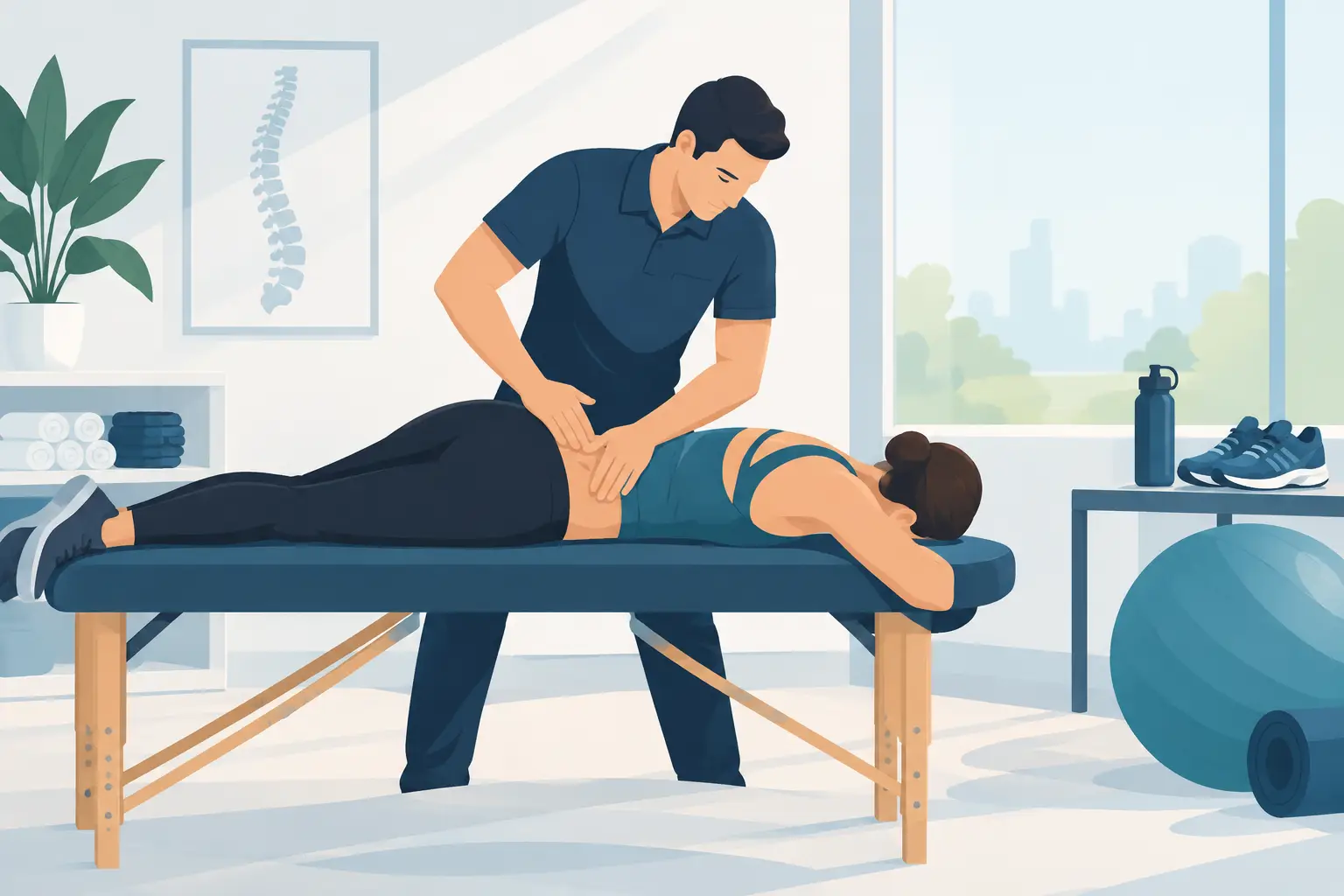
Chiropractic for Sports Recovery That Fits Your Goals
A hard trail run, a full weekend on the field, or a heavy training block can leave more than ordinary soreness behind. When your hips feel restricted, your back does not move freely, or a familiar tightness keeps changing how you train, chiropractic for sports recovery can be one part of a thoughtful plan to help you move, function, and feel your best.
Athletes in Loveland and across Northern Colorado ask a lot of their bodies. Whether you compete, coach, lift, ride, run, ski, or simply want to stay active with your family, recovery is not only about resting until discomfort fades. It is about restoring efficient movement, paying attention to what your body is communicating, and building the capacity to handle the next workout or season.
What Chiropractic for Sports Recovery Can Support
Sports recovery is personal. A distance runner dealing with repeated calf tightness may need something different than a high school soccer player returning after a demanding tournament or a recreational lifter whose shoulder mobility has gradually declined. The goal is not to chase every sore muscle. It is to understand how the spine, joints, muscles, and nervous system are working together.
Specific chiropractic adjustments are designed to address areas of restricted motion and support better spinal function. When the body is moving more efficiently, athletes may notice improved range of motion, easier movement patterns, and greater comfort during daily activities and training. For many active people, that can make it easier to return to the drills, strength work, and recovery habits that matter most.
The nervous system also plays a central role in movement. It helps coordinate balance, muscle response, joint awareness, and the body’s ability to adapt to physical demands. A neurologically focused chiropractic approach considers this connection rather than viewing a sore area in isolation. That perspective can be especially valuable when a problem keeps returning or when one restriction seems to lead to compensations elsewhere.
Chiropractic care is not a replacement for sleep, nutrition, hydration, strength training, or appropriate medical treatment. It can work alongside those foundations as part of a broader recovery strategy. The right plan depends on your sport, your training volume, your health history, and what your evaluation shows.
Recovery Is More Than Waiting for Soreness to Pass
There is a difference between normal training fatigue and a pattern your body is struggling to manage. Delayed-onset muscle soreness after a new workout can be expected. But recurring stiffness, reduced mobility, altered form, or a feeling that you are constantly working around the same area deserves closer attention.
Athletes often compensate without realizing it. If hip motion is limited, the low back may take on more work. If the upper back is stiff, the shoulder may have to move differently during throwing, swimming, or pressing. These compensations are not always painful right away. Over time, however, they can make movement less efficient and training feel harder than it should.
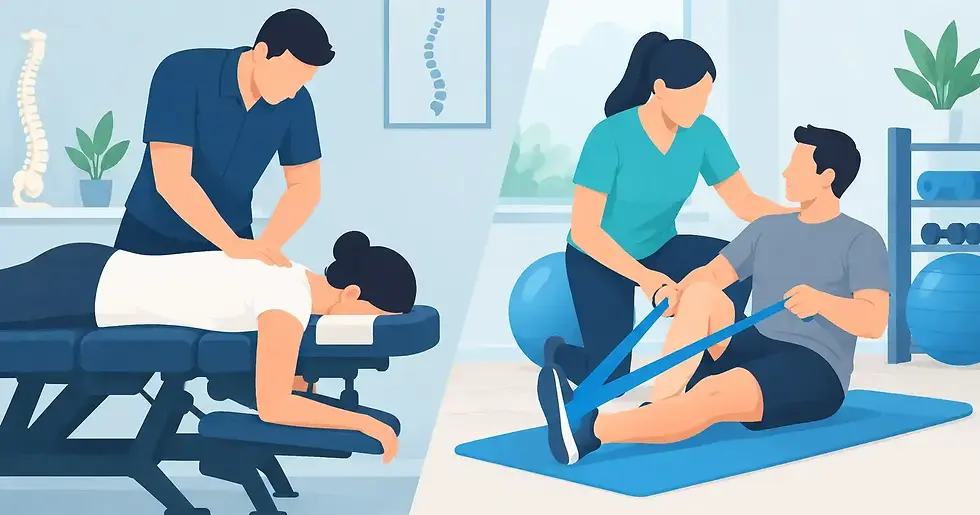
A recovery-focused chiropractic visit begins with listening. Your provider should want to know what activity brings symptoms on, what makes them better, how your training has changed, and what you need your body to do next. A personalized plan may include specific adjustments, movement recommendations, and guidance around training modifications based on your current needs.
For an athlete preparing for an event, care may focus on maintaining comfortable mobility and efficient movement through a demanding training period. For someone rebuilding after time away from activity, the focus may be on gradually restoring confidence in motion. Neither approach should be one-size-fits-all.
When a Short Training Adjustment Is the Smart Move
Pushing through every signal is not the same as being committed. Sometimes the best decision is to reduce intensity, change a movement, or take a few days away from a particular activity while you address the underlying issue.
That does not always mean stopping all exercise. A runner with irritated knee pain may still be able to use a bike or focus on upper-body strength. A field athlete with low-back tightness may benefit from modified practice instead of a full workload. The appropriate choice depends on the cause and severity of the problem, which is why individualized guidance matters.
Recovery also takes longer when athletes return at the first sign of feeling better and immediately resume their previous volume. A gradual return gives your body time to adapt. It is less exciting than an all-out comeback, but it often supports more consistent progress.
How Specific Care Fits an Athlete’s Routine
The best recovery plans fit real life. You may have early practices, work deadlines, family commitments, and limited time between events. Chiropractic care should help clarify your next steps, not add confusion to an already busy schedule.
At Good Chiropractic, performance-focused care is built around your individual goals. For one person, that may mean moving more comfortably on weekend hikes. For another, it may mean improving mobility for squats, staying resilient through a baseball season, or recovering well enough to enjoy the next race without carrying last week’s stiffness into it.
Consistency can be useful, particularly for athletes whose sports repeatedly load the same movement patterns. A cyclist spends hours in a forward position. A volleyball player jumps, lands, and reaches overhead. A trail runner navigates uneven ground and elevation changes. Periodic assessments can help identify changes in mobility and function before they become the reason you have to sit out.
Still, frequency of care should be based on need, not a generic calendar. Training load, prior injuries, competition schedule, response to care, and overall wellness all shape what makes sense. An athlete in the middle of a high-volume season may need a different approach than someone easing into a new fitness routine.
Pair Chiropractic Care With Recovery Habits That Matter
An adjustment is one piece of the picture. The habits between visits have a major effect on how prepared your body feels for activity. Sleep supports physical and mental recovery, while enough food and fluids help meet the demands of training. Simple mobility work can reinforce the movement gains you are working toward.
Strength matters, too. Healthy movement is not only about flexibility. It is also about having the control and capacity to use your available range of motion well. If you have been avoiding a certain movement because it feels restricted or uncomfortable, your provider may help you determine when it is appropriate to reintroduce it and when another professional should be involved.
Pay attention to recovery signals that do not improve with your usual routine. New swelling, significant weakness, numbness or tingling, loss of balance, severe pain, pain after a fall or collision, or symptoms following a head injury require prompt medical evaluation. Chiropractic care can be part of a coordinated care plan, but some situations call for urgent or specialized medical attention first.
A Better Question Than “How Fast Can I Get Back?”
Competitive athletes naturally want a timeline. The more useful question is often, “What does my body need to return well?” Returning well means you can perform your sport with confidence, maintain quality movement, and tolerate the demands that caused trouble in the first place.
That may require patience. It may also require a few practical changes, such as improving warm-up habits, spacing hard sessions more effectively, or addressing a mobility limitation before it becomes a larger setback. Those choices can protect the active life you have worked hard to build.
Your sport should add to your life, not repeatedly take you away from it. If recovery has become an ongoing challenge, a personalized chiropractic evaluation can help you better understand your movement, support your spinal and nervous-system health, and create a practical path toward the activities you enjoy most.


Comments