
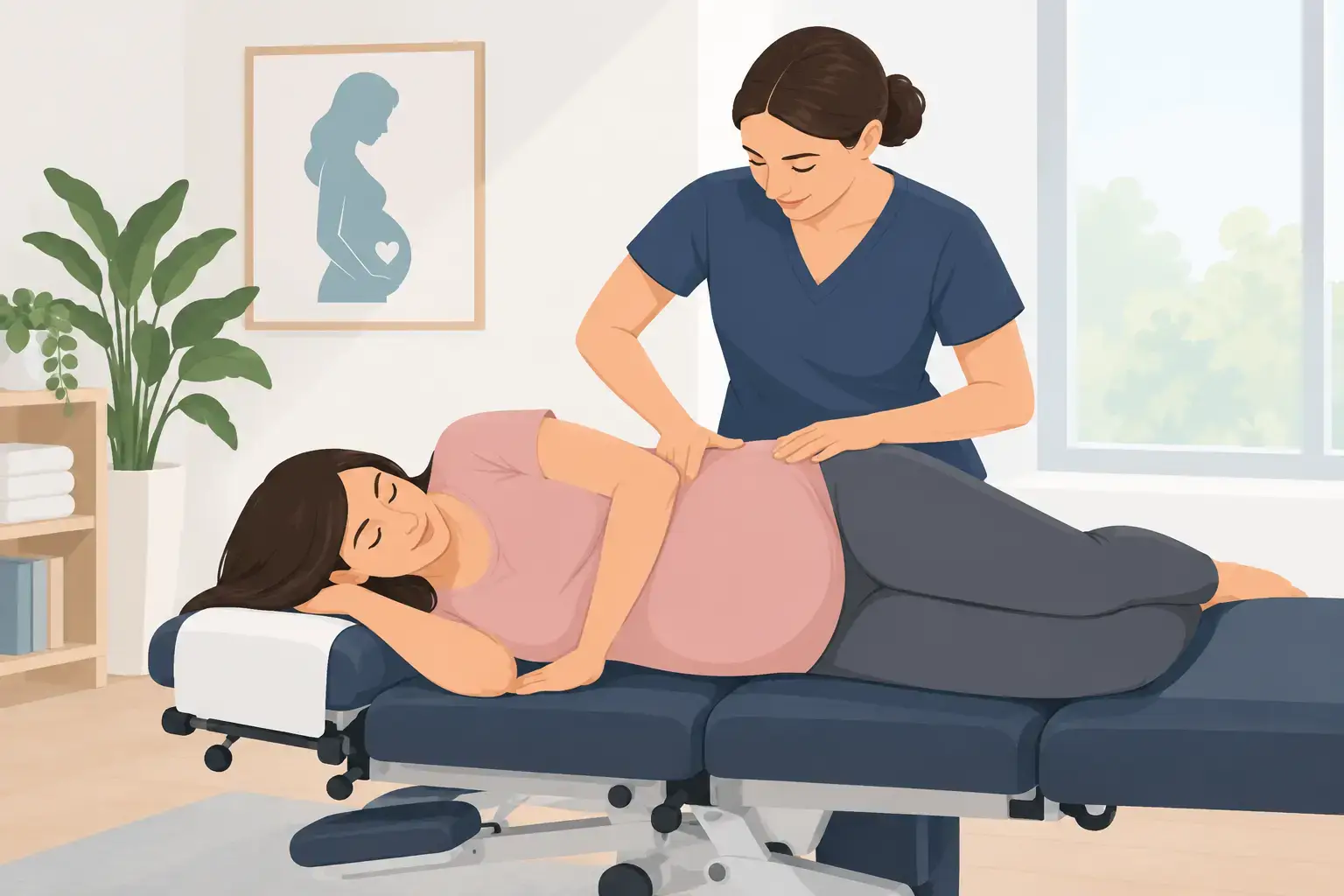
Prenatal Chiropractor Care for a More Comfortable Pregnancy
Pregnancy can make ordinary moments feel surprisingly demanding. Getting out of bed, standing through a workday, lifting a toddler, or finding a comfortable sleep position may require more effort as your body changes. A prenatal chiropractor provides gentle, individualized care intended to support spinal function, mobility, and comfort throughout those changes.
For many expectant mothers, chiropractic care is not about waiting until discomfort becomes overwhelming. It is one part of a proactive wellness routine that can help the body adapt to a growing baby, changing posture, and a shifting center of gravity. The right plan should reflect your pregnancy, your activity level, your health history, and the goals that matter most to you.
Why Pregnancy Changes How Your Body Moves
Pregnancy affects far more than the abdomen. As your baby grows, your center of gravity moves forward. The low back may work harder, the pelvis can feel less stable, and the upper back and neck may take on extra strain as posture changes. Hormonal changes also prepare the body for birth by affecting ligaments, which can alter how joints feel and move.
These changes are normal, but normal does not always mean comfortable. Some people notice low-back tension after sitting. Others feel hip tightness on walks, soreness between the shoulder blades, or discomfort when turning over in bed. If you were already managing a physically demanding job, caring for young children, training for an event, or recovering from a previous injury, pregnancy may amplify those movement challenges.
A nervous-system-focused chiropractic approach looks beyond one sore area. The spine, pelvis, muscles, and nervous system work together to coordinate movement and respond to physical stress. When movement is restricted or compensation patterns build, daily activities can become harder than they need to be. Specific adjustments and supportive care may help improve joint motion and help your body move with greater ease.
What a Prenatal Chiropractor Can Support
A prenatal chiropractor is trained to adapt care for the physical changes of pregnancy. The goal is not to force the body into a position or promise a particular birth outcome. Rather, care is designed to support comfort, function, and mobility as your body does the remarkable work of growing a baby.
Expectant mothers often seek care for low-back discomfort, pelvic or hip tension, neck and shoulder strain, headaches, and reduced mobility. Others simply want to stay active with more confidence. Gentle chiropractic adjustments may help address areas of restricted spinal or pelvic movement that can contribute to how you feel during movement, rest, and everyday tasks.
Care can also support the routines that keep you feeling like yourself. That may mean being able to continue a modified fitness routine, take a walk around the neighborhood, sit more comfortably at your desk, or get down on the floor with an older child. Results vary from person to person, and no provider can predict exactly how your body will respond. Still, a thoughtful plan gives you a place to address changing needs before they begin to limit your day.
Comfort is only one part of the picture
Pregnancy care should not be reduced to chasing symptoms. Discomfort matters, and it deserves attention, but it can also be useful information about how your body is adapting. A personalized chiropractic plan considers the bigger picture: how you move, where you feel restricted, what your daily demands look like, and how your spine and nervous system are functioning.
This broader view is especially valuable as pregnancy progresses. What felt good at 18 weeks may not be enough at 32 weeks. Your care plan can change with you, with frequency and techniques adjusted according to your needs, response to care, and recommendations from your healthcare team.
What to Expect at a Prenatal Chiropractic Visit
Your first visit should begin with a conversation, not an assumption. Your chiropractor will ask about your pregnancy, health history, current concerns, prior injuries, movement habits, and goals. Be prepared to share any guidance or restrictions you have received from your OB-GYN, midwife, or other healthcare provider.
The examination is tailored for pregnancy. Your provider may assess posture, range of motion, spinal and pelvic movement, and areas of muscle tension. Imaging is not a routine part of prenatal chiropractic care and is only considered when clinically appropriate. If something in your history suggests that chiropractic care is not the right next step, a responsible provider should explain that and coordinate or refer you to the appropriate medical professional.
Adjustments during pregnancy are gentle and specific. Chiropractors may use pregnancy-support cushions or tables that accommodate your growing abdomen, along with positions designed for comfort. Techniques vary based on the patient and the practitioner. You should always feel comfortable asking what a technique involves, why it is recommended, and what alternatives are available.
At Good Chiropractic LLC, prenatal care is built around individualized, neurologically focused adjustments. That means the plan is centered on how your spine and nervous system are functioning, not on a one-size-fits-all protocol. You remain an active participant in the process, with care shaped around your comfort, mobility, and family wellness goals.
Choosing a Prenatal Chiropractor With Confidence
Credentials matter, but communication matters just as much. Look for a licensed chiropractor who has experience caring for pregnant patients and who takes time to understand your individual situation. Some chiropractors pursue additional prenatal training, including techniques commonly used to support pelvic balance during pregnancy. Ask directly about the provider's experience, approach, and how they modify care for each trimester.
It also helps to choose a practice that respects collaborative care. Chiropractic is not a replacement for prenatal medical care. Continue regular appointments with your OB-GYN or midwife, follow their guidance, and let each provider know about the care you are receiving. This is particularly important if your pregnancy is considered high risk or if you have medical conditions that affect your care options.
Before scheduling, consider asking a few practical questions: How will the visit be adapted for pregnancy? What will the evaluation include? How will progress be measured? What should I do if my symptoms change? Clear, straightforward answers are a good sign that you will receive care grounded in your needs rather than a preset schedule.
When to Call Your Medical Provider First
New or severe symptoms during pregnancy should always be taken seriously. Contact your OB-GYN, midwife, or urgent medical provider promptly for vaginal bleeding, leaking fluid, severe abdominal pain, fainting, sudden swelling, chest pain, shortness of breath, a severe headache, changes in vision, fever, or noticeably reduced fetal movement later in pregnancy.
You should also speak with your prenatal medical provider before starting chiropractic care if you have been told you have a high-risk pregnancy, placenta-related concerns, preeclampsia, severe osteoporosis, or other complications. The right path depends on your full clinical picture. Good care includes knowing when an adjustment is appropriate and when medical assessment needs to come first.
Make Prenatal Care Part of Your Support System
Chiropractic care works best as part of the support system around your pregnancy, not as a stand-alone answer to every concern. Sleep, hydration, nourishing meals, appropriate movement, stress management, and regular prenatal medical visits all influence how you feel. Your chiropractor may also offer practical suggestions for posture, movement breaks, lifting mechanics, or comfortable ways to modify activities, always within the guidance of your prenatal provider.
There is no prize for pushing through every ache just because pregnancy is temporary. Paying attention to how your body moves and feels can help you make thoughtful adjustments along the way. Whether you are preparing for your first baby or balancing pregnancy with a busy family, gentle, personalized support can help you stay connected to the activities and people you love.
A prenatal chiropractic consultation gives you space to ask questions, share what has changed, and create a plan that fits this season of life. The aim is simple: help you move, function, and feel your best while caring for both yourself and your growing family.



Comments