
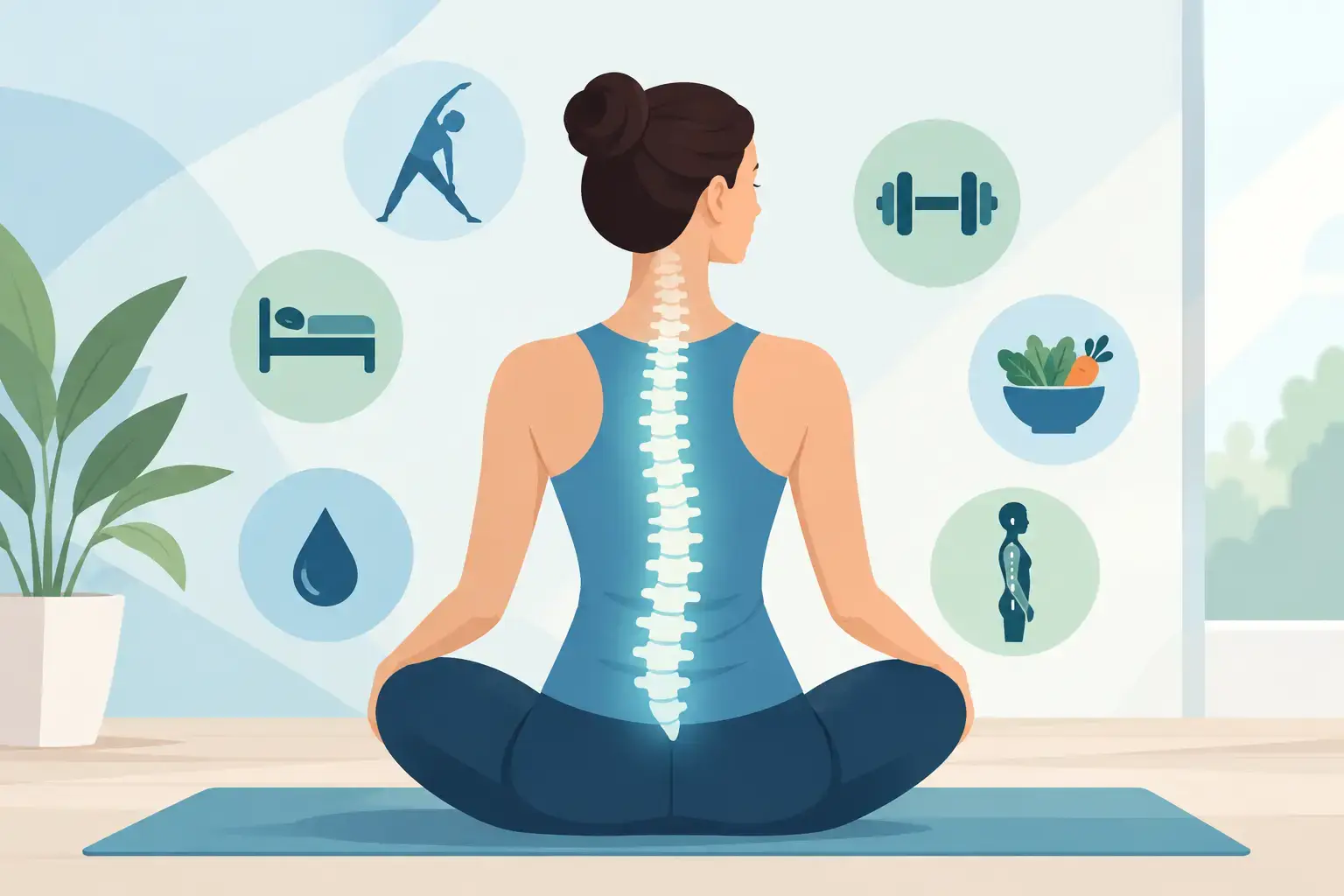
How to Improve Spinal Resilience Every Day
A long day at a desk, a weekend on the trail, carrying a toddler, or training for the next season can all ask a lot of your body. To improve spinal resilience, the goal is not to hold one perfectly rigid posture or avoid every demanding activity. It is to help your spine and nervous system adapt well to the movement, loading, recovery, and daily responsibilities that matter to you.
For families in Loveland and Northern Colorado, resilience may look different from one person to the next. It may mean feeling more comfortable through pregnancy, helping a child move and develop with confidence, staying active through the workweek, or recovering well enough to keep enjoying the sports you love. A healthy spine is built through consistent support, not a single quick fix.
What spinal resilience really means
Spinal resilience is your body’s ability to handle physical and everyday stress while continuing to move, function, and recover well. Your spine is not separate from the rest of you. It works with muscles, joints, balance systems, and the nervous system to help you bend, twist, walk, lift, breathe, and respond to your environment.
A resilient spine does not mean you will never feel stiff or sore. Yardwork, travel, growth spurts, new training blocks, and disrupted sleep can all affect how your body feels. Resilience means you have the capacity to adapt, recognize when something needs attention, and return to comfortable, efficient movement more reliably.
That perspective matters because chasing perfect posture can create more tension than it solves. Your body benefits from changing positions, using a range of motion, and building strength for real life. The best posture is often the next posture, especially when you have been still for a while.
Improve spinal resilience with regular movement
Movement gives your spine useful information. It tells your body that it needs to maintain coordination, mobility, and strength for the activities you do most. The right amount depends on your starting point, health history, and goals, but consistency usually matters more than intensity.
If you sit for work, try to break up long stretches of stillness. Stand to refill your water, take a short walk between meetings, or gently move your shoulders, hips, and upper back for a minute or two. These small changes can make a meaningful difference when repeated throughout the day.
Strength training can also support a more resilient spine when it is appropriate for you. Building capacity in the hips, legs, trunk, and upper back can make lifting groceries, carrying a child, skiing, cycling, or working in the garage feel more manageable. Start with movements you can control well, then gradually add challenge rather than jumping into more weight, more mileage, or more repetitions all at once.
For runners, hikers, and field-sport athletes, your spine also benefits from variety. Repeating the same motion day after day without enough recovery can leave your body feeling worn down. Mix high-intensity days with easier movement, mobility work, or true rest. A personalized plan should fit the demands of your sport and the realities of your schedule.
Recovery is part of building capacity
The body adapts during recovery, not only during activity. Sleep, nourishment, hydration, and manageable stress all influence how ready you feel to move. No routine needs to be perfect, but a few steady habits can support better function over time.
Sleep is especially valuable for busy parents, students, and athletes, even though it is not always easy to protect. Create a realistic wind-down routine, keep your sleep position comfortable, and avoid forcing yourself into a position that causes pain or numbness. The “best” sleep position is the one that allows you to rest comfortably and wake up feeling reasonably refreshed.
Recovery also includes listening to changes in your body. If stiffness after a new workout settles quickly and you can move normally, that may simply be part of adapting. If discomfort is persistent, worsening, or changing the way you move, it is worth getting individualized guidance before pushing through it.
Support your spine through every life stage
Spinal needs change as your family changes. A pregnant mother may be adapting to shifts in posture, balance, and daily comfort. A new parent may be lifting, feeding, and carrying a baby in unfamiliar positions. Children and teens are learning movement patterns while growing quickly and participating in school, sports, and play.
Gentle, age-appropriate movement helps children build confidence in their bodies. Free play, climbing, walking, and sports can all contribute to coordination and healthy physical development. If your child seems uncomfortable, avoids certain movements, or has had a fall or sports injury, a professional evaluation can help you understand what support may be appropriate.
During pregnancy, maintaining comfortable movement can be more useful than trying to maintain a pre-pregnancy exercise routine. Some expectant mothers feel great staying active, while others need to scale back or adjust. Prenatal care should always account for your trimester, symptoms, activity level, and guidance from your medical provider.
Older adults benefit from resilience work, too. Balance, leg strength, comfortable walking, and the ability to get up and down from the floor or a chair all support independence. Progress does not need to look dramatic. Often, the most meaningful gain is being able to keep doing the things that make life feel full.
How chiropractic care can fit into your plan
Specific chiropractic care can be one part of a proactive plan to improve spinal resilience. At Good Chiropractic, care begins with understanding how you move, function, and respond to the demands of your life. Your care plan should not be based only on where discomfort shows up that day. It should consider your goals, health history, mobility, activity level, and nervous-system function.
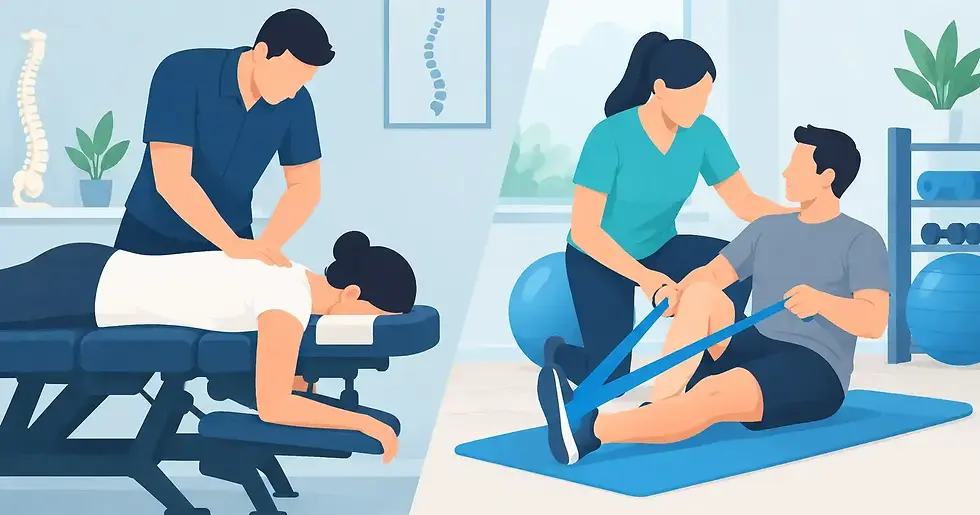
For some people, chiropractic adjustments may support joint motion and comfort so it is easier to return to healthy movement. For athletes, care may fit alongside training, strength work, and recovery habits. For families, it can be a consistent way to check in on spinal health as bodies grow, routines change, and physical demands evolve.
The right frequency of care depends on the individual. Someone preparing for a competition, recovering from a demanding season, or navigating pregnancy may have different needs than someone focused on long-term family wellness. A thoughtful provider will explain recommendations clearly and help you make decisions that fit your goals.
Know when to seek prompt medical attention
Most everyday stiffness can be addressed with sensible movement, recovery, and professional guidance. Some symptoms, however, should not be ignored. Seek prompt medical evaluation for severe pain after a major fall or accident, new weakness in an arm or leg, loss of bowel or bladder control, numbness in the groin area, fever with significant back pain, or pain that is rapidly worsening.
For less urgent concerns, do not wait until movement feels impossible to ask questions. Repeated headaches, frequent neck or back tightness, pain that limits your favorite activities, or a noticeable change in how you move are all good reasons to schedule an evaluation. Early attention can help you make more informed choices about movement, recovery, and care.
Your spine supports the moments that fill your life: picking up your child, reaching the next trail marker, practicing after school, or simply moving through the day with more ease. Give it regular movement, enough recovery, and care that respects your individual goals, and let small, steady choices build the confidence to keep doing what you love.


Comments