
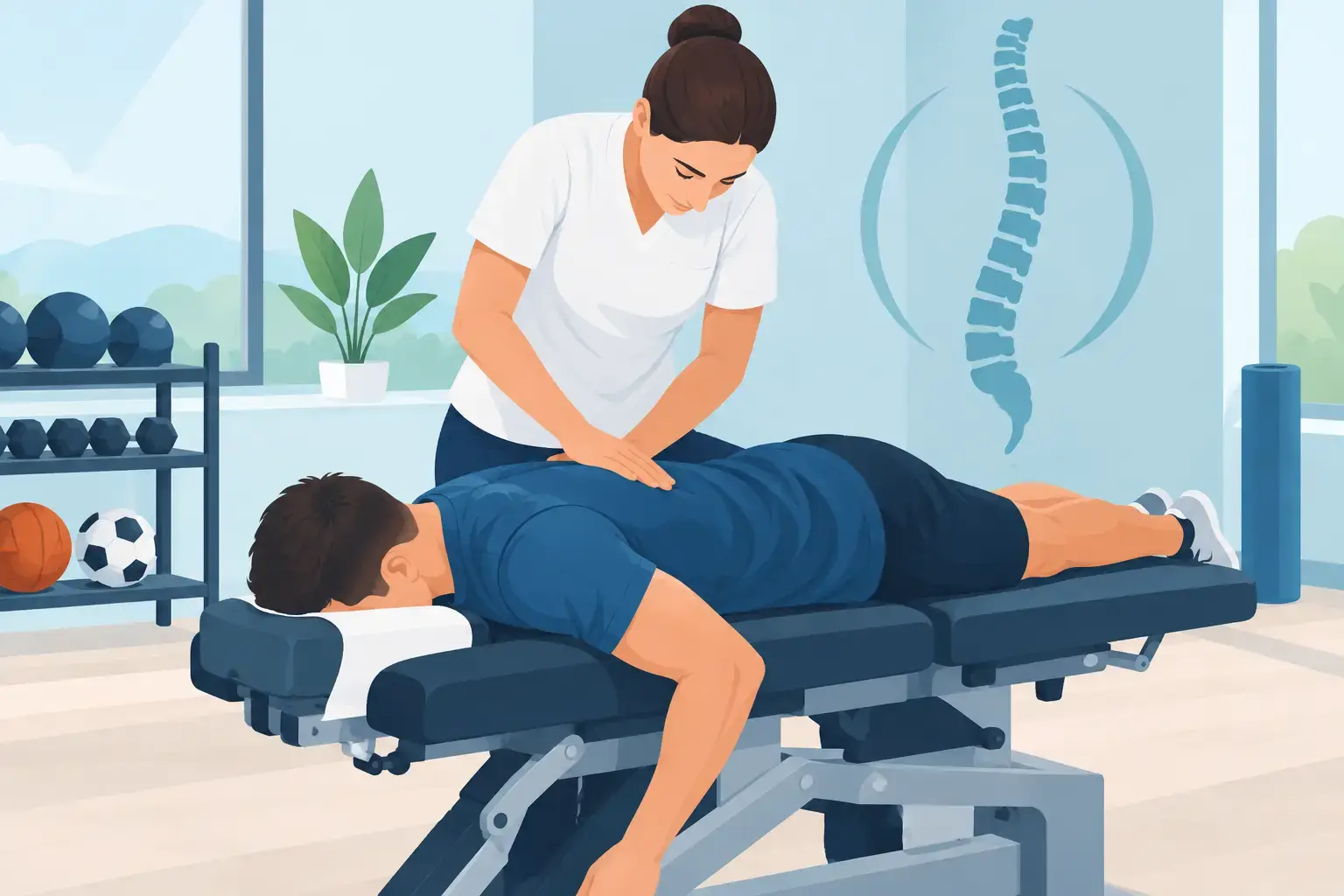
Sports Chiropractic Care for Better Performance
A hard workout can leave you pleasantly tired. It should not leave you feeling as though your body is working against you. When a hip feels restricted on a trail run, your shoulder will not settle after serving, or recovery keeps stretching longer than expected, sports chiropractic care can be part of a smarter plan to help you move, function, and feel your best.
For athletes in Loveland and across Northern Colorado, performance is rarely about one big moment. It is built in the everyday choices that support efficient movement, quality recovery, and a body that can adapt to training demands. Chiropractic care is not a replacement for good coaching, strength training, sleep, nutrition, or appropriate medical care. It can, however, support the spinal and nervous-system function that helps connect all of those efforts.
What Sports Chiropractic Care Focuses On
Sports chiropractic care is performance-focused chiropractic for active people. That includes competitive athletes, weekend warriors, student athletes, runners, cyclists, climbers, field-sport players, and anyone who wants to keep participating in the activities they love.
At its center is a simple question: How well is your body communicating, moving, and adapting? The nervous system coordinates movement, balance, muscle response, and the body’s ability to respond to physical stress. Because the spine protects this vital system, spinal function can matter when your goal is to move with more control and less compensation.
Specific chiropractic adjustments are designed to address areas of spinal dysfunction and support clearer communication between the brain and body. The experience is individualized. A soccer player managing a demanding season, for example, may have different needs than a parent training for their first 10K or a high school athlete returning to regular practices.
The goal is not to chase every sore muscle after every workout. It is to look at movement and function more broadly, then build care around the person in front of us.
Why Small Movement Compensations Matter
Athletes are often skilled at pushing through. That determination can be valuable, but it can also make subtle changes easy to miss. You may unconsciously shift your stride to protect a tight ankle, rotate differently through your torso because one hip is not moving well, or alter your throwing mechanics when your shoulder feels limited.
These workarounds are not necessarily a sign of weakness. They are the body’s attempt to adapt. The concern is that a compensation repeated thousands of times can place more demand on other joints and tissues. Over time, that may affect comfort, mobility, confidence, and performance.
A chiropractic evaluation considers the spine and nervous system alongside your activity history, movement demands, and personal goals. For some people, the immediate priority is improving range of motion before an event. For others, it is recovering more effectively between practices or maintaining better function through a long season.
It depends on the athlete. A mountain biker may need to tolerate long periods in a forward position, while a volleyball player needs fast, repeatable overhead movement. Care should reflect those differences rather than follow a one-size-fits-all schedule.
Performance Benefits Beyond Pain Relief
Pain can be a useful signal, but it is not the only reason to seek care. Many active people wait until discomfort forces them to change their routine. Proactive chiropractic care gives you an opportunity to pay attention earlier, when the goal may be maintaining mobility, supporting recovery, and building resilience before a small issue becomes more disruptive.
Athletes often seek chiropractic care to support better joint motion, more balanced movement patterns, and a stronger sense of body awareness. When the body is moving efficiently, training can feel more productive. You may find it easier to get into positions required by your sport, maintain form as fatigue builds, or return to your usual routine after demanding activity.
This does not mean chiropractic adjustments guarantee fewer injuries or instant performance gains. Sports performance is influenced by training load, technique, equipment, stress, prior injuries, conditioning, and many other factors. But supporting spinal health and nervous-system function can be a meaningful part of a well-rounded approach.
For families, that perspective matters. A teen athlete does not need to wait for a major problem to learn how to care for their body. Adults balancing work, parenting, and recreation deserve support that helps them stay active for the long term, not just get through the next game.
What to Expect From a Performance-Focused Visit
Your first visit should begin with listening. A thorough conversation about your sport, training routine, health history, current concerns, and goals helps shape the next steps. If you are preparing for a race, dealing with recurring stiffness after lifting, or trying to stay consistent through a busy season, those details matter.
From there, your chiropractor can assess spinal function, posture, mobility, and the patterns that may be affecting how you move. Recommendations should be personal, clear, and connected to your goals. Some athletes benefit from care during high-volume training periods. Others may schedule visits around competition seasons, travel, or recovery needs.
At Good Chiropractic, care is centered on neurologically focused, specific adjustments and individualized plans. That means your care is not built around a generic checklist. It is designed to support the way your body is functioning now and the activities you want to keep doing.
Adjustments are typically gentle and precise. Your chiropractor may also discuss practical habits that support your results, such as recovery routines, training consistency, movement awareness, or when a different provider should be part of your care team. A collaborative approach serves athletes best.
When Chiropractic Is One Part of the Team
Good performance care knows its boundaries. New severe pain, a suspected fracture, concussion symptoms, significant swelling, numbness, weakness, loss of coordination, or changes in bowel or bladder control need prompt medical evaluation. Athletes should also follow return-to-play guidance from the appropriate medical professionals after a concussion or serious injury.
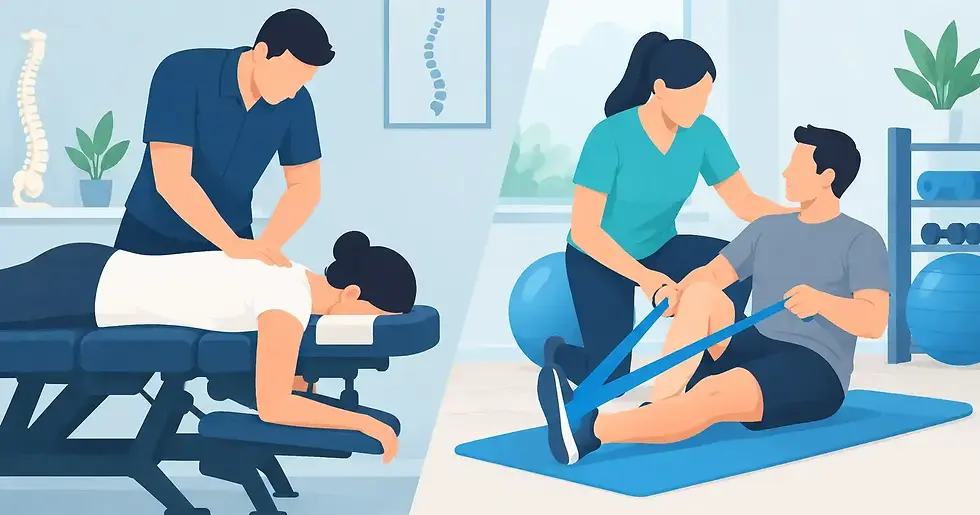
Chiropractic can work alongside primary care providers, physical therapists, athletic trainers, coaches, massage therapists, and strength professionals. Each may bring a different perspective. The right combination depends on your condition and goals.
For example, an athlete recovering from surgery may need a surgeon-directed rehabilitation plan first. Someone with a clear strength deficit may benefit from focused physical therapy or coaching. Chiropractic care can complement those efforts by supporting spinal mobility and nervous-system function within the larger plan.
That team mindset is especially valuable for young athletes. Their bodies are growing while the demands of school, practices, and competition keep rising. Thoughtful care helps families make decisions based on the athlete’s whole health, not simply the pressure to stay in the lineup.
Building a Sustainable Active Life
The best time to think about performance is not only when something hurts. It is in the weeks between events, the off-season, the return to training after a break, and the ordinary days when you want enough energy to play with your kids after work.
Pay attention to changes in your movement. Are you avoiding a familiar lift? Do you need longer to loosen up? Is your recovery different on one side of the body? Those details can be useful information, especially when they persist or begin changing how you train.
Sports chiropractic care is not about chasing perfection. Athletic bodies experience stress, fatigue, and occasional setbacks. The aim is to give your body the support it needs to adapt well, recover with confidence, and keep showing up for the activities that make you feel like yourself.
Whether your next goal is a stronger season, a more comfortable hike, or simply the freedom to move without holding back, a personalized consultation can help you understand what your body needs next.


Comments