
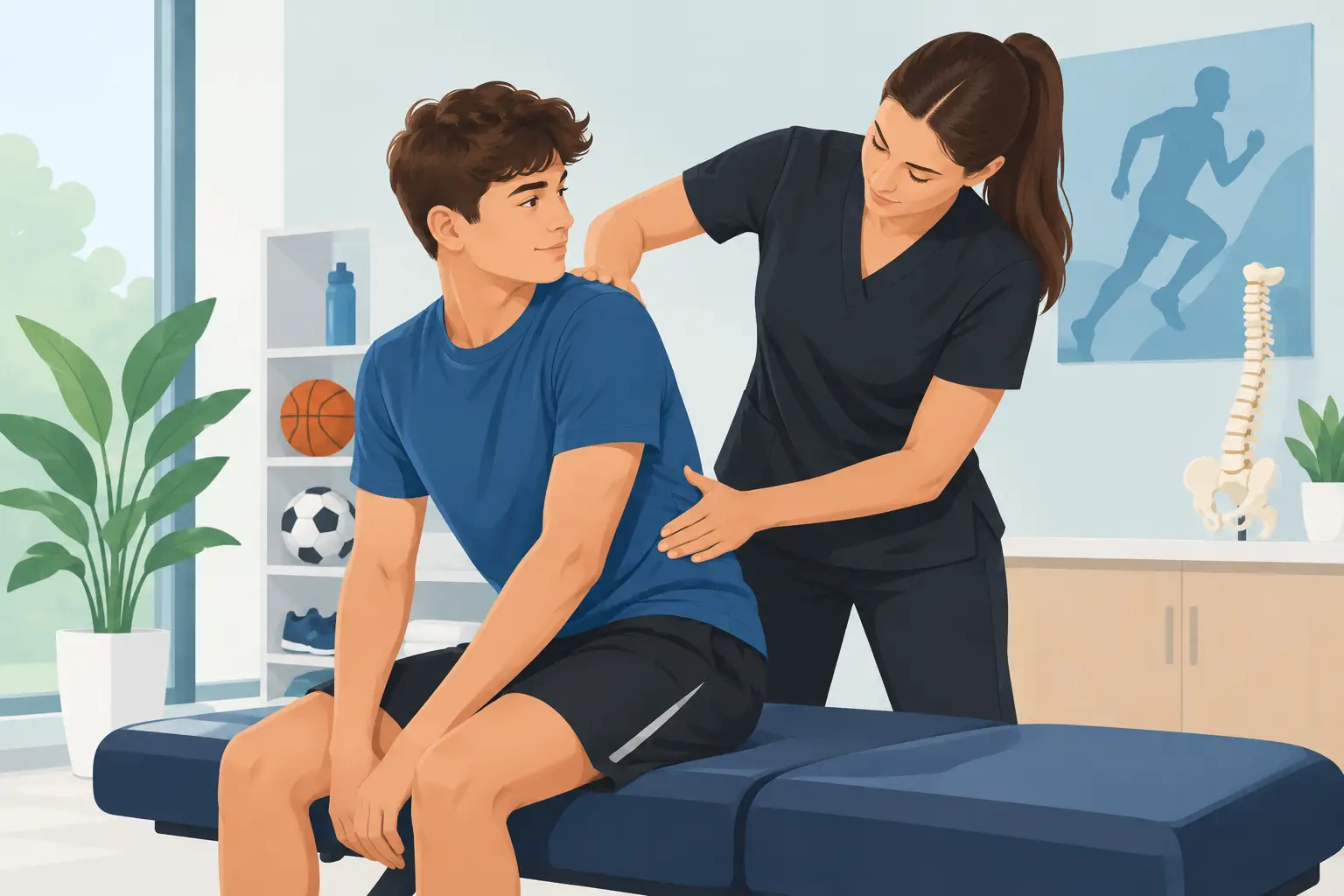
Chiropractic for Teen Athletes: When It Helps
A soccer player who suddenly cannot turn her head comfortably after a hard fall, a swimmer whose shoulder feels tight halfway through the season, or a runner dealing with recurring hip soreness all need more than a quick fix. Chiropractic for teen athletes can be one part of a thoughtful plan to help young competitors move well, recover well, and stay connected to the sports they love.
For families in Loveland and Northern Colorado, the goal is not simply to get a teen back on the field as fast as possible. It is to support efficient movement, healthy recovery habits, and a body that can better adapt to the real demands of practice, school, growth, and competition. Chiropractic care is not a substitute for medical evaluation, physical therapy, proper coaching, rest, or strength training. When it fits the athlete's needs, though, it can be a valuable complement to all of them.
Why Teen Athletes Have Different Needs
Teen athletes are not just smaller adults. Their bodies may be changing rapidly while their training schedule becomes more demanding. A growth spurt can temporarily affect coordination, flexibility, and body awareness. At the same time, a teen may be lifting, sprinting, throwing, tackling, or practicing the same movement pattern for hours each week.
That combination can create stress in predictable places. A baseball or softball player may notice shoulder and upper-back tightness. A volleyball athlete may feel strain through the neck, low back, hips, or knees after repeated jumping. Cross-country runners, mountain bikers, dancers, and field-sport athletes can all develop movement compensations when one area is not moving or stabilizing as well as it should.
Not every ache signals an injury, and not every athlete needs chiropractic care. Some soreness after a challenging practice is normal. But pain that persists, repeatedly returns, changes an athlete's mechanics, or makes them avoid certain movements deserves attention. A careful assessment can help identify whether spinal mobility, joint function, posture, muscle tension, training load, or another issue may be contributing.
How Chiropractic for Teen Athletes May Support Performance
At Good Chiropractic, care begins with the individual athlete rather than a one-size-fits-all approach. A specific spinal adjustment is intended to address areas of restricted movement and support healthy communication between the brain and body through the nervous system. For an active teen, that may matter because efficient movement depends on more than strong muscles alone.
When joints are moving well and the body has better awareness of position and motion, an athlete may find it easier to maintain sound mechanics through practices and games. Many families seek care to support range of motion, comfort, recovery, and resilience during a demanding season.
The possible benefits depend on the athlete, their sport, their injury history, and what is found during an examination. Care may be useful for a teen who feels stiff after long bus rides, has recurring tension from repetitive training, or is returning to activity after being cleared by the appropriate medical provider. It may also be part of proactive wellness care for an athlete who wants to maintain mobility and address small movement restrictions before they become a bigger distraction.
Chiropractic should never promise a guaranteed performance boost or injury prevention. No single service can eliminate the risk of a rolled ankle, collision, fall, or overuse injury. The more realistic goal is to give the athlete better support for moving efficiently and recovering responsibly within a complete training plan.
Recovery Is More Than Resting Until It Stops Hurting
Recovery has several parts: enough sleep, adequate food and hydration, sensible training progression, rest days, and attention to how the body responds after activity. For teens, recovery also has to coexist with homework, early school mornings, social commitments, and sometimes multiple sports in the same year.
Chiropractic care may help a teen feel more comfortable moving through the recovery process, especially when stiffness or reduced mobility is limiting normal motion. But an adjustment does not replace sleep, nutrition, or a coach's responsibility to manage training volume. It works best when the athlete and family view it as one supportive piece of a bigger picture.
What a Thoughtful Care Plan Looks Like
A good care plan should be based on the athlete's current concerns, health history, sport, schedule, and goals. A freshman football player with a recent collision has different needs from a competitive gymnast managing repeated wrist loading, and both deserve more than a rushed appointment.
The first conversation should include questions about when symptoms began, what movements make them worse or better, prior injuries, changes in training, and any medical care already received. The chiropractor can then assess posture, spinal movement, joint function, and areas of tension or asymmetry to determine whether chiropractic care is appropriate.
For some teens, care may focus on a short-term concern that is affecting practice. For others, periodic visits may be part of an ongoing wellness and performance routine. Frequency should not be based solely on the sport or the calendar. It should reflect the athlete's response to care, training demands, and family goals.
Specific adjustments for teens are tailored to the person in front of the chiropractor. Parents should feel comfortable asking what is being recommended, why it is recommended, and how care fits alongside other providers. Clear communication helps teens take ownership of their health instead of assuming they need to push through every discomfort.
When to Seek Medical Care First
Chiropractic can be appropriate for many musculoskeletal concerns, but certain symptoms require prompt medical evaluation. A teen athlete should be assessed urgently for a suspected concussion, loss of consciousness, worsening headache after a hit, confusion, repeated vomiting, seizure activity, severe neck pain after trauma, significant swelling or deformity, inability to bear weight, numbness, weakness, or changes in bowel or bladder control.
A concussion deserves particular care. An athlete should never return to play the same day after suspected concussion symptoms, even if they say they feel better. Follow the guidance of a qualified medical professional and the school or league's return-to-play protocol.
If an athlete has ongoing pain that is worsening, pain that wakes them at night, unexplained weight loss, fever, or symptoms that do not match a typical sports strain, they also need medical evaluation. The right next step may be a pediatrician, sports medicine physician, orthopedic specialist, physical therapist, or another member of the care team.
Helping Your Teen Build Better Body Awareness
One of the most useful outcomes of performance-focused care is helping a teen pay attention to what their body is telling them. Young athletes often learn to measure commitment by how much discomfort they can ignore. That mindset can turn a manageable concern into a longer interruption.
Encourage your teen to notice changes in movement, not just pain. Are they avoiding a cut to one side? Is their throwing motion different? Do they always feel tight in the same place after practice? Are they unusually tired, irritable, or struggling to recover between sessions? These details can help parents, coaches, and providers make better decisions early.
It also helps to keep the conversation practical. Rather than asking only, "Does it hurt?" try asking, "What can you do comfortably today that was hard yesterday?" This shifts attention toward function, confidence, and progress.
Healthy athletic development is not about demanding perfection from a growing body. It is about giving that body the support, recovery, and guidance it needs to keep showing up for the activities that make your teen feel strong and capable. A personalized conversation with a chiropractor can help your family decide whether chiropractic care has a useful place in that plan.


Comments