
Is Chiropractic Safe During Pregnancy? What to Know
Pregnancy can make familiar movements feel surprisingly difficult. Rolling over in bed, getting out of the car, standing through a work shift, or keeping up with older children may bring new pressure through the low back, hips, ribs, and pelvis. If you are asking, “is chiropractic safe during pregnancy?” the short answer is that it can be for many expectant mothers when care is provided by a qualified chiropractor who is trained to work with pregnant patients and who understands your individual health history.
Prenatal chiropractic is not a substitute for obstetric or midwifery care. It is a complementary option that may support comfort, mobility, and healthy movement as your body changes. The right approach is gentle, specific, and adapted to the stage of pregnancy you are in.
Is Chiropractic Safe During Pregnancy?
Chiropractic care during pregnancy is generally considered low risk for uncomplicated pregnancies when appropriate techniques and precautions are used. Chiropractors who provide prenatal care modify positioning, pressure, and adjustment methods to accommodate a growing belly, changing posture, and more mobile joints.
Research on chiropractic in pregnancy is still developing. Available reviews suggest serious complications are reported infrequently, but the research base is limited and does not prove that every technique is appropriate for every person. That is why individualized care matters. A thoughtful chiropractor does not apply a one-size-fits-all adjustment or promise a particular pregnancy outcome.
Pregnancy also changes the body in ways that deserve respect. Hormonal shifts can increase ligament laxity, while a changing center of gravity may place more demand on the low back, hips, pelvic floor, and mid-back. Gentle chiropractic care may help address areas of restricted movement and muscular tension that contribute to discomfort or inefficient movement.
At Good Chiropractic, prenatal care is centered on specific adjustments and nervous-system-focused support. The goal is to help you move, function, and feel your best through pregnancy, not to replace the care you receive from your OB-GYN or midwife.
What Prenatal Chiropractic Care Typically Looks Like
A prenatal visit should begin with a conversation, not an adjustment. Your chiropractor should ask about your pregnancy, symptoms, medical history, prior injuries, activity level, and the guidance you have received from your maternity provider. They should also explain what they are assessing and why.
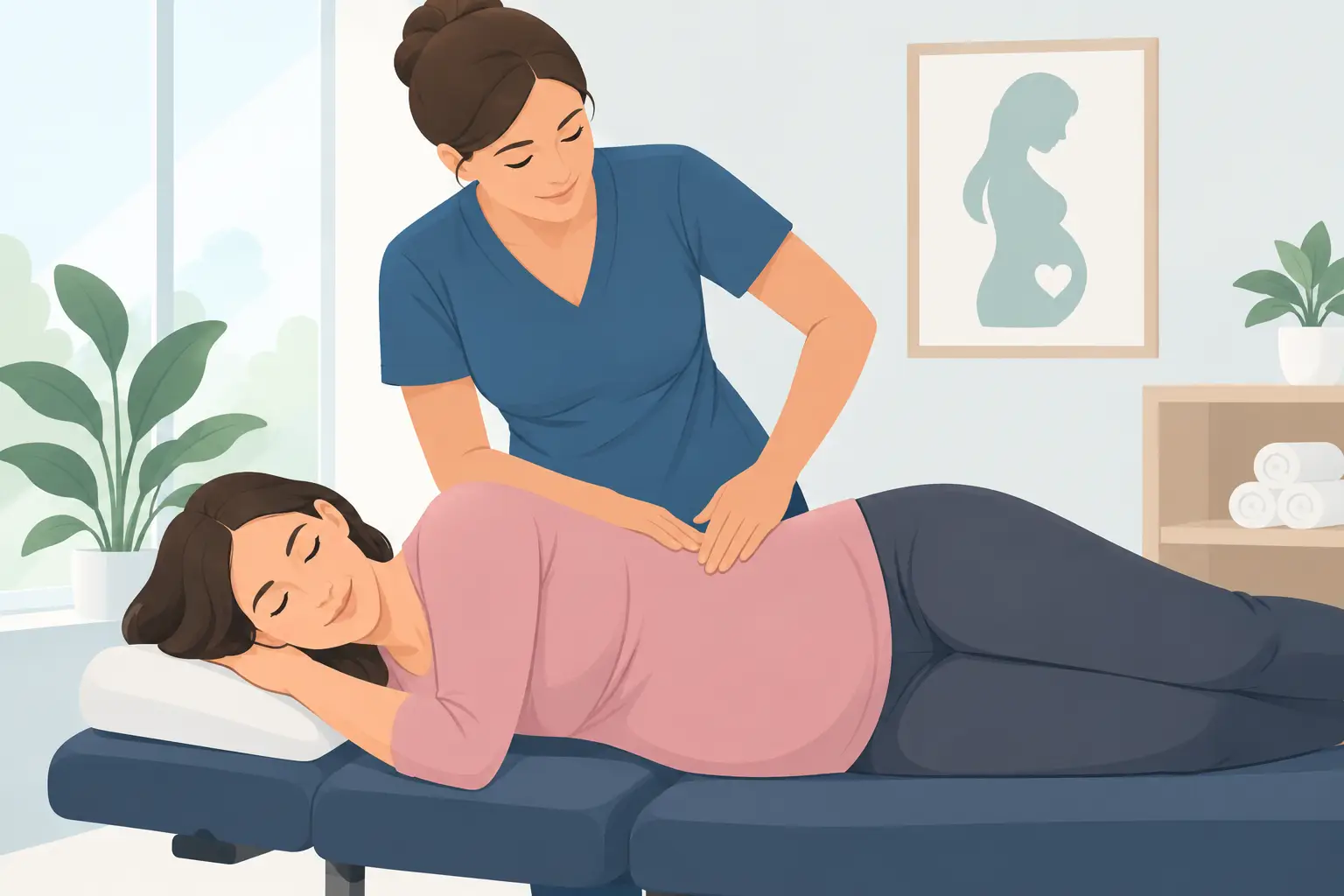
Prenatal adjustments are often gentler than people expect. Depending on your needs, care may involve low-force manual techniques, instrument-assisted adjustments, or supported positioning that avoids unnecessary pressure on the abdomen. Many offices use pregnancy cushions or tables designed to make lying face down or on your side more comfortable.
The focus may include the pelvis, sacrum, low back, hips, and mid-back, but care should follow your examination findings rather than a preset routine. Some expectant mothers want support for low-back or pelvic discomfort. Others notice stiffness, reduced range of motion, or the physical strain of work, exercise, and caring for a family.
You should always feel comfortable asking questions. A good prenatal chiropractor will tell you what they recommend, what sensations are normal afterward, and when to contact your medical provider instead.
The Webster Technique and Baby Position
You may hear prenatal chiropractic associated with the Webster Technique. This is a chiropractic analysis and adjustment approach intended to address pelvic balance and soft-tissue tension. Some families seek it when a baby is breech or when they are concerned about fetal positioning.
It is important to keep expectations realistic. Chiropractic care does not manually turn a baby and should not be presented as a guarantee that a baby will change position. Fetal position is influenced by many factors, and your OB-GYN or midwife is the right person to discuss monitoring, delivery planning, and medical options. Chiropractic may be considered as part of a broader comfort and mobility plan, with your maternity provider kept informed.
When to Talk With Your OB-GYN or Midwife First
For many healthy pregnancies, prenatal chiropractic can be discussed as part of normal wellness care. Still, there are circumstances where you should speak with your OB-GYN or midwife before scheduling, or seek prompt medical attention rather than chiropractic care.
Contact your maternity provider if you have vaginal bleeding, fluid leakage, painful regular contractions, severe abdominal pain, sudden swelling, severe headache, dizziness, changes in vision, fever, reduced fetal movement, or new shortness of breath. These symptoms need medical evaluation.
You should also get individualized guidance if you have been diagnosed with a high-risk pregnancy, placenta previa later in pregnancy, preeclampsia, cervical insufficiency, a history of preterm labor, significant bleeding, or another complication that affects activity or treatment decisions. Your medical team knows your pregnancy details and can help determine what is appropriate.
A chiropractor should recognize these boundaries. If a concern falls outside chiropractic care, the responsible next step is referral and coordination, not pushing forward with an adjustment.
Choosing a Chiropractor for Pregnancy Care
Safety is not only about the technique used. It is also about the provider’s training, clinical judgment, communication, and willingness to adapt care as your needs change.
Look for a chiropractor who routinely works with pregnant patients and explains how their approach is modified for pregnancy. They should take a thorough health history, welcome communication with your OB-GYN or midwife, and be clear about the limits of chiropractic care. Be cautious of anyone who guarantees pain relief, promises to change a baby’s position, or discourages you from following medical advice.
It also helps to pay attention to how you feel in the office. You deserve care that is respectful, unhurried, and responsive. Your provider should listen if a position is uncomfortable, a technique feels too forceful, or your symptoms have changed since the last visit.
Questions Worth Asking at Your First Visit
Before beginning care, ask how the chiropractor works with patients in each trimester, whether they use pregnancy-specific positioning, and how they determine the right frequency of visits. You can also ask what results are realistic for your concern and what signs would lead them to refer you back to your medical provider.
The answers should be practical and patient-centered. Pregnancy is not the time for pressure to commit to a long care plan before you understand the recommendations. Your plan should reflect your goals, your response to care, and the guidance of your prenatal medical team.
Possible Benefits and Realistic Expectations
Many people pursue prenatal chiropractic because they want to stay active and comfortable as their bodies change. Some patients report less low-back discomfort, improved mobility, easier movement, and better tolerance for daily tasks after care. For active moms and athletes, maintaining comfortable, efficient movement may also make it easier to continue safe exercise approved by their maternity provider.
Those potential benefits are meaningful, but they are not guaranteed. Pregnancy discomfort can have several causes, including normal tissue changes, fatigue, sleep disruption, pelvic floor demands, and conditions that require medical assessment. Chiropractic should be one part of a broader support system that may include prenatal exercise, rest, strength work, physical therapy, nutrition, and regular obstetric care.
It is also normal to feel mild soreness or fatigue after an adjustment, much like you might after a new activity. Severe pain, unusual symptoms, or symptoms that concern you should always be shared with your maternity provider.
A Supportive Part of Your Pregnancy Care
Pregnancy asks your body to adapt quickly and continuously. Thoughtful prenatal chiropractic can be a gentle option for supporting spinal and pelvic motion, everyday comfort, and resilience during that process, especially when it is coordinated with the care you already receive from your OB-GYN or midwife.
The best next step is not simply finding the closest office. Find a provider who listens carefully, adjusts specifically, respects medical boundaries, and helps you make confident choices for yourself and your growing family.



Comments